

Tattoo Safety
Tattoos are generally safe when done by professionals in licensed studios. However, they involve breaking the skin, so risks do exist. At Tattoo Afterlife, safety is our top priority.
Risks, Allergies and Studio Stadards

Tattoos are generally safe when done by professionals in licensed studios. However, they involve breaking the skin, so risks do exist. At Tattoo Afterlife, safety is our top priority.
Common Risks
• Infections: From contaminated ink or non-sterile equipment.
• Allergic Reactions: Red ink most common culprit (itchy rash, swelling). Can appear years later. Other colors like yellow also trigger sun sensitivity.
• Scarring & Granulomas: Raised scars or nodules from ink.
How to Minimize Risks
Choose a reputable studio with:
• Single-use equipment and needles
• High Quality Ink from reputable suppliers
• Proper licensing and up to date health inspections
Tattoo Afterlife follows strict sterile protocols, uses high-quality inks, and provides detailed aftercare to prevent complications.
Bottom line: Tattoos are low-risk with the right artist and care. Consult us for safe, quality tattoos.
Tattoo History:
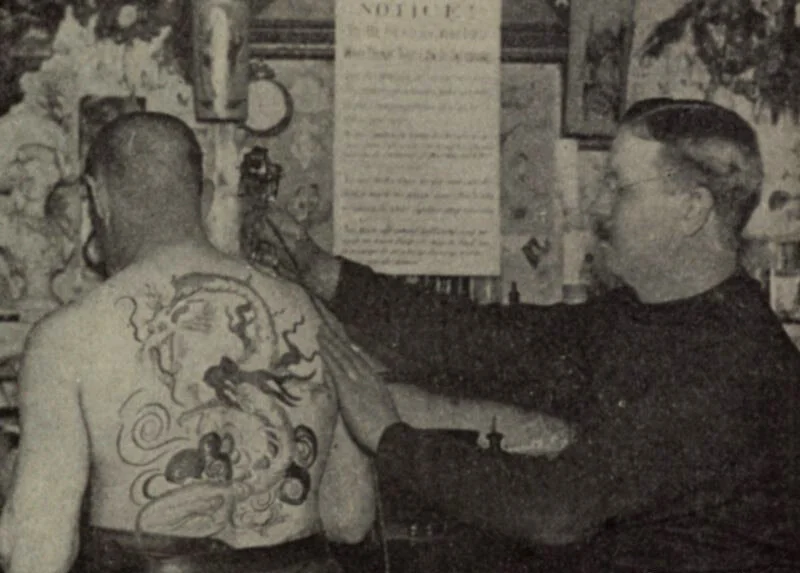
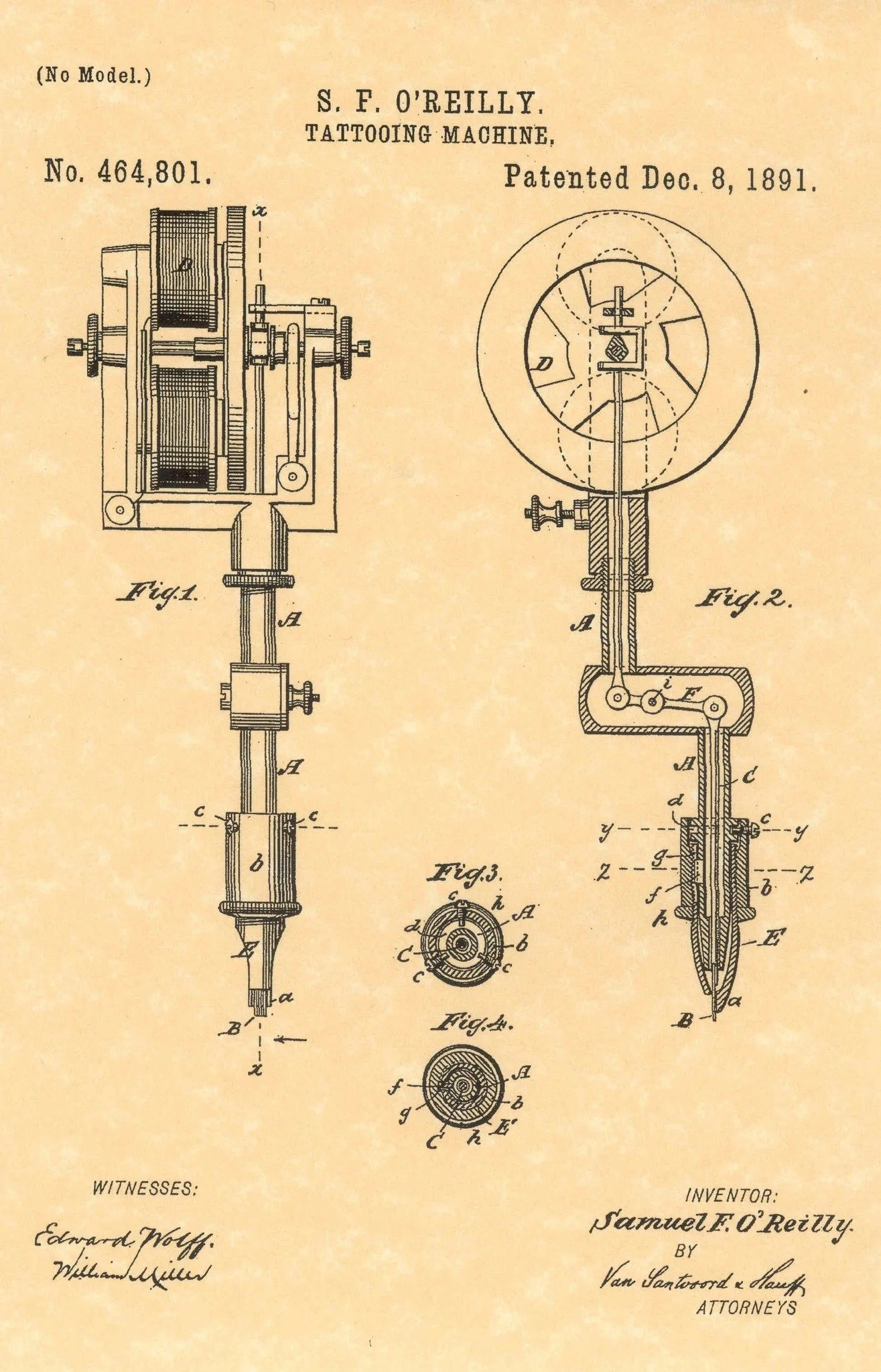
The electric tattoo machine—patented in 1891 by Samuel O’Reilly—changed everything, making the craft faster, cleaner, and more accessible
A brief introduction to the History of American Tattooing:
Tattooing in America dates back thousands of years. Indigenous tribes used hand-poked ink from plants and soot for rituals, status, and protection long before European contact.
In the 1700s, sailors returning from Pacific voyages brought Polynesian designs. By the mid-1800s, tattooed sailors and circus performers made tattoos a working-class mark. The electric tattoo machine—patented in 1891 by Samuel O’Reilly—changed everything, making the craft faster, cleaner, and more accessible
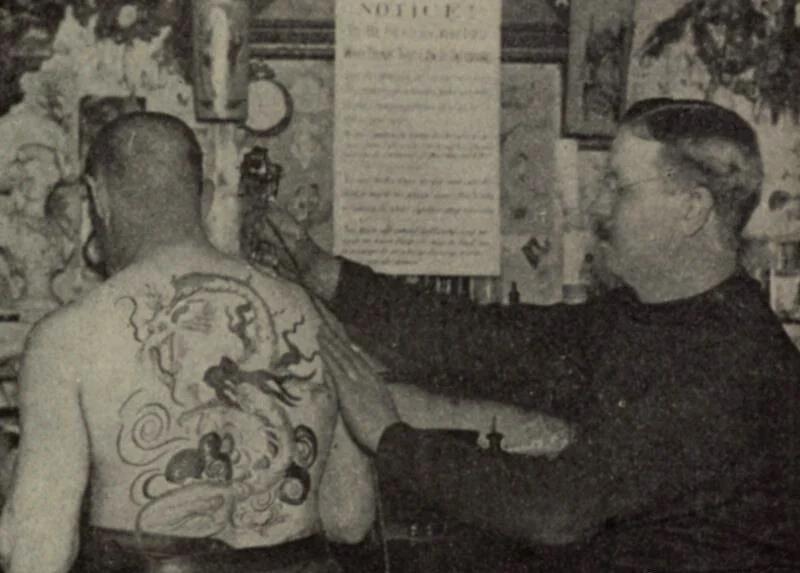
The early 1900s saw a boom in port cities and sideshows. WWII soldiers got patriotic ink, but post-war stigma linked tattoos to crime and rebellion, pushing the art underground.
The 1960s–70s revival came from counterculture and trailblazers like Lyle Tuttle, who brought fine-line work and celebrity clients. The 1980s and ’90s exploded with Japanese irezumi influence, realism, and custom shops. Today, tattoos are mainstream fine art—celebrated, regulated, and worn by millions.
At Tattoo Afterlife, we carry this rich American legacy forward with modern techniques and timeless respect for the craft.

Tattoo Removal
Tattoo Removal: What Works & What to expect

What Works and What to Expect
What Actually Works
Laser removal (Pico and Q-switched) is the gold standard. It shatters ink particles for your body to flush out. Black and dark inks clear fastest. Colors like red, orange, and yellow take longer. Amateur tattoos fade quicker than professional saturated ones.
Realistic Timeline & Expectations
• 6–15 sessions spaced 6–8 weeks apart
• Significant fading after 4–6 treatments
• Complete removal is possible, or lighten for a coverup
• Pain level: like rubber band snaps
Side Effects
Temporary redness, swelling, blistering.
Pro Tips from Experience
Sun exposure before/during slows results. Follow aftercare strictly.
At Tattoo Afterlife, we offer tattoo removal provided by the best in the business, Removery.
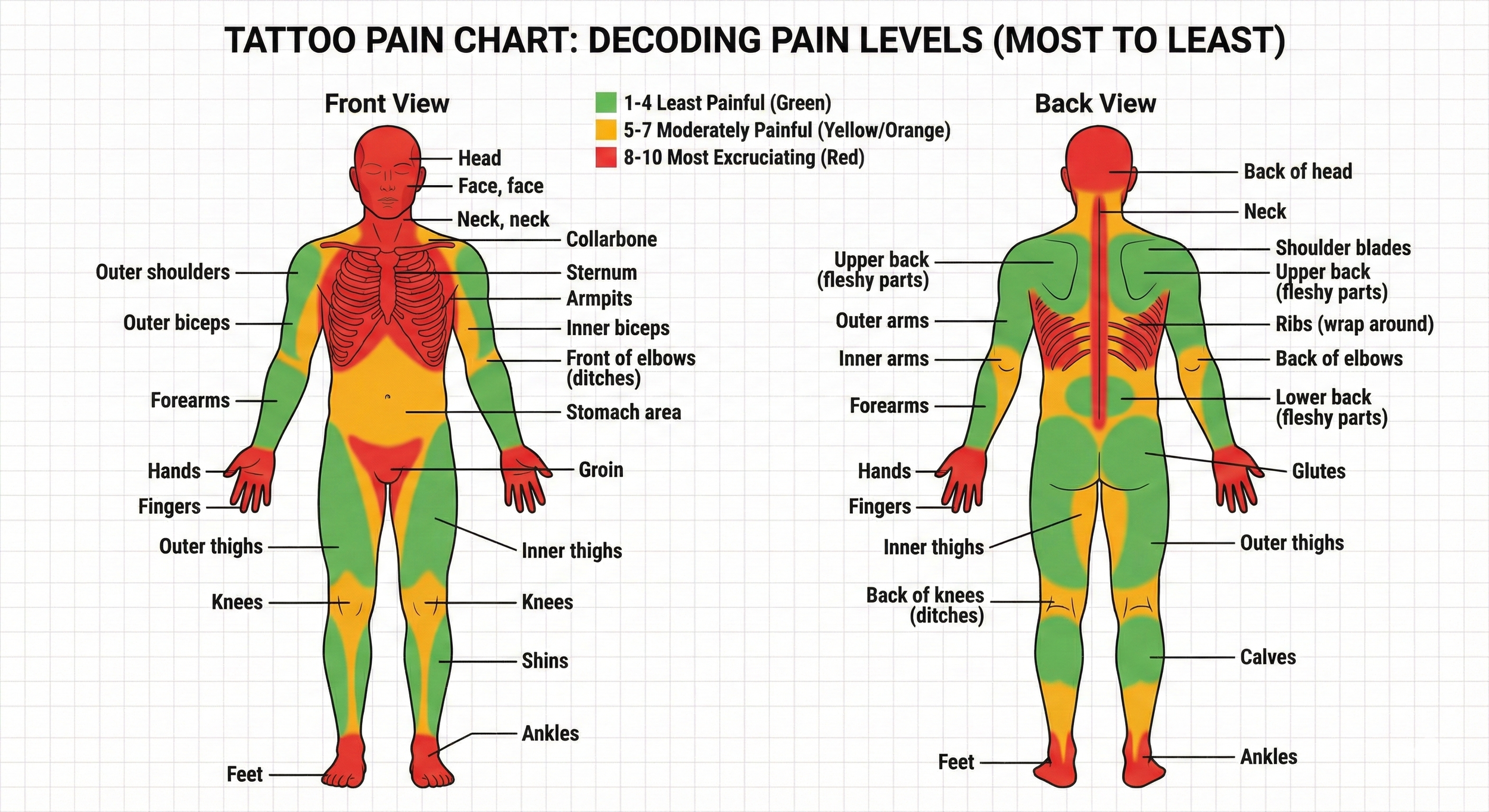
Do Tattoos Hurt?
An expert guide to tattoo pain levels by body part.
An expert guide on Tattoo Location Pain Levels:
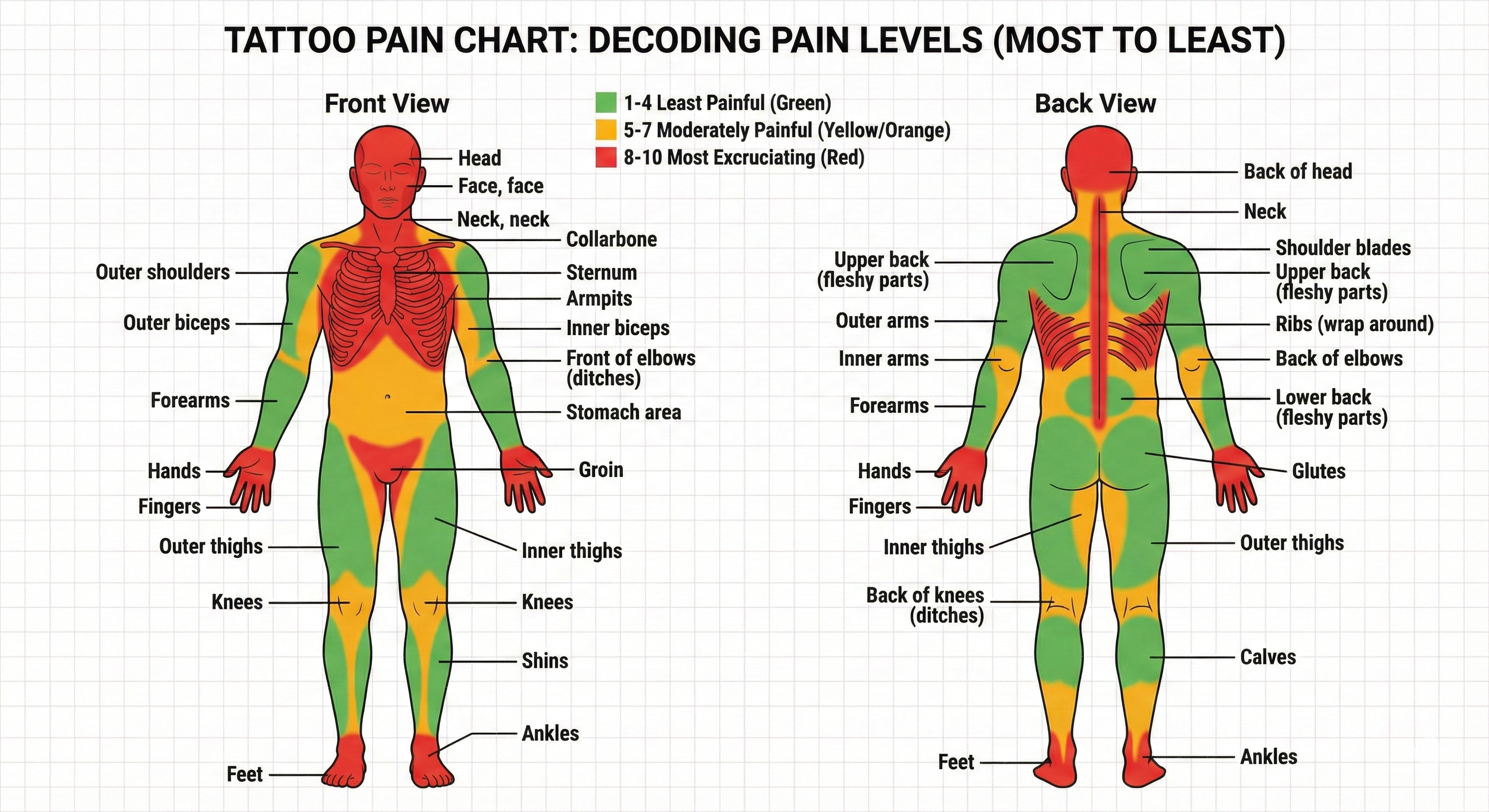
Pain can be rated on a 1-10 scale, driven by nerve density, fat, and bone.
Low (1-4): Outer arms, shoulders, thighs, calves – thick muscle/fat cushions needles.
Medium (5-7): Forearms, chest, upper back, stomach – moderate nerves and bone pressure.
High (8-10): Ribs, spine, hands, feet, head, groin, neck – thin skin, dense nerves, direct bone.
Breathe, make sure you’ve eaten and stay hydrated. Let your artist know how you’re doing.
We can work with you to find balance and get you through your session.

When can you Work out after a new Tattoo?
When can you return to the gym after a new tattoo?

An expert guide:
If you live an active lifestyle, taking time off from the gym can feel frustrating. One of the most common questions we hear is: “When can I go back to the gym after getting a tattoo?”
A fresh tattoo is an open wound. Proper care in the first weeks determines how well it heals and retains ink.
Healing Timeline & Wait Times
• Outer skin heals in 7–10 days.
• Full healing: 2–4 weeks.
• Light exercise: Wait 4–5 days.
• Intense workouts: Wait 7–14 days (longer for large tattoos)
Key Rules
1. Skip workouts while bandaged — trapped sweat breeds bacteria.
2. Avoid stretching or compressing the tattooed area for the first 1–2 weeks. Shift focus to unaffected muscle groups.
3. Wear clean, loose, breathable clothing. No tight gear that rubs.
4. Pat sweat away gently; never let it sit.
5. Shower and clean the tattoo immediately after any workout with mild soap, then moisturize.
Risks of Exercising Too Soon
• Infection
• Excess scabbing
• Ink loss or patchiness
• Longer healing
• Possible touch-ups (not always covered)
Protect your tattoo like the investment it is. Follow your artist’s instructions exactly. A short break from heavy training ensures crisp, vibrant results that last.


Virgin Voyages: Squid Ink
Tattooing on the high seas!
Virgin Cruise Lines has launched four ships unlike any before; each has a tattoo studio on board.
Enter Squid Ink, the first ever tattoo studio on the high seas, setting sail featuring Afterlife’s own @JULIAPAIGEART

For artists, tattooing in the Squid Ink studio combines the adventure of a vacation with a killer business opportunity. For clients, it’s an unforgettable vacation you can permanently commemorate with body art. It’s a maritime adventure, bonding experience, and huge part of tattoo history.
Virgin Voyages declares that tattooing culture belongs at sea with this new venture. The cruise pays homage to the nautical history of tattooing, giving a nod to the huge role of body art in sailor culture that exploded in the 19th century. Squid Ink has a big mission to elevate tattoo culture to a new level. In the past, cruise ships were considered more high-brow and tattoos were frowned upon. Now, for the first time ever, all sailors are encouraged to get tattooed — in fact, crew members are some of the most popular clients at Squid Ink.
To learn more visit:
https://www.virginvoyages.com