

Tattoo History:
A brief introduction to the History of American Tattooing:
Tattooing in America dates back thousands of years. Indigenous tribes used hand-poked ink from plants and soot for rituals, status, and protection long before European contact.
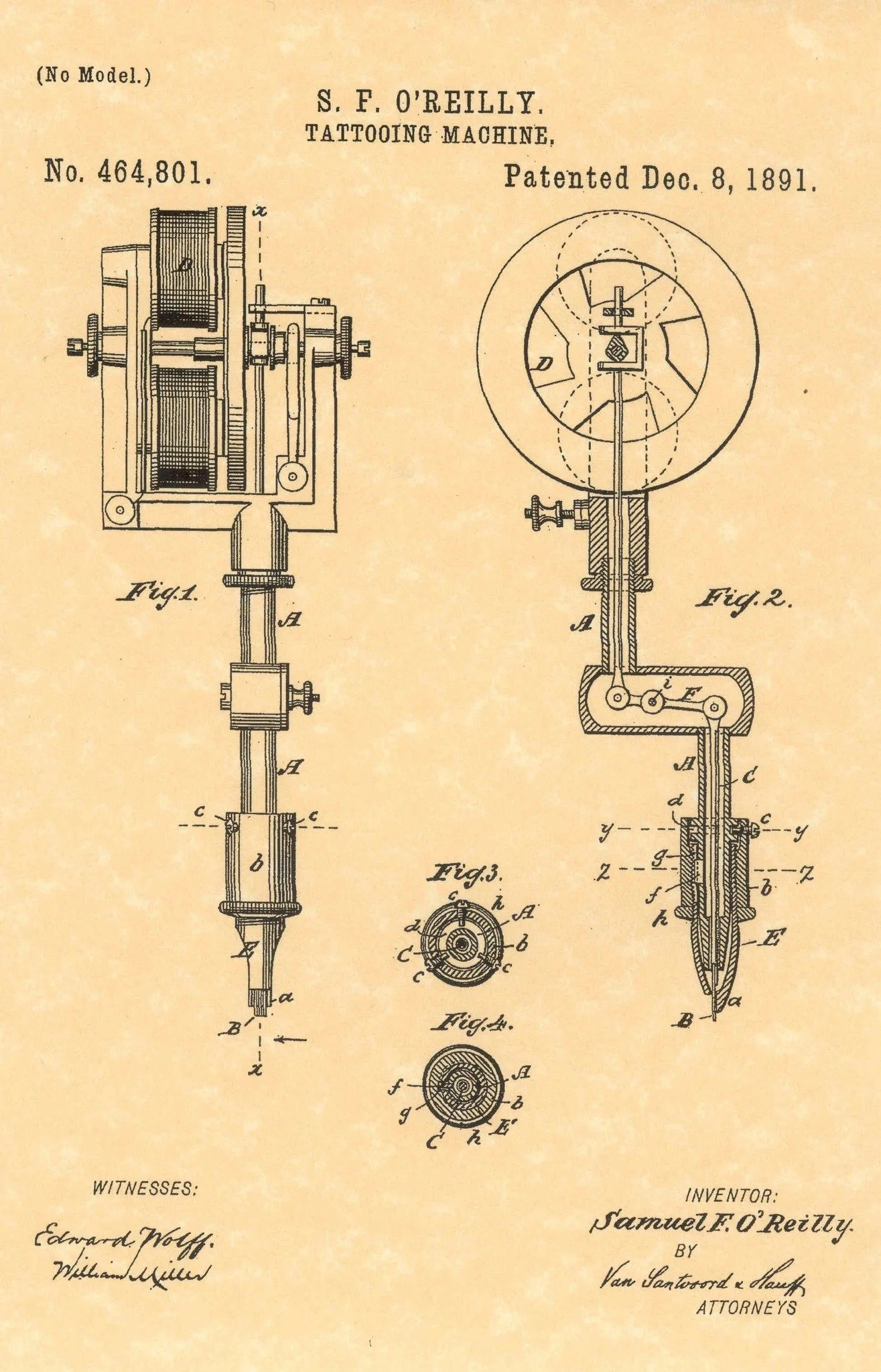
In the 1700s, sailors returning from Pacific voyages brought Polynesian designs. By the mid-1800s, tattooed sailors and circus performers made tattoos a working-class mark. The electric tattoo machine—patented in 1891 by Samuel O’Reilly—changed everything, making the craft faster, cleaner, and more accessible
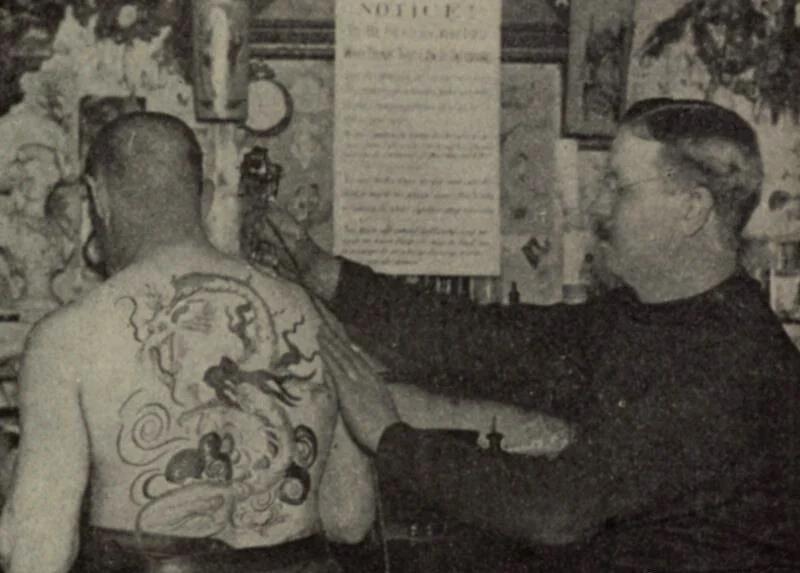
The early 1900s saw a boom in port cities and sideshows. WWII soldiers got patriotic ink, but post-war stigma linked tattoos to crime and rebellion, pushing the art underground.
The 1960s–70s revival came from counterculture and trailblazers like Lyle Tuttle, who brought fine-line work and celebrity clients. The 1980s and ’90s exploded with Japanese irezumi influence, realism, and custom shops. Today, tattoos are mainstream fine art—celebrated, regulated, and worn by millions.
At Tattoo Afterlife, we carry this rich American legacy forward with modern techniques and timeless respect for the craft.