

The Ultimate Guide to Booking a Tattoo
The Ultimate Guide to Preparing for and Booking a Custom Tattoo
A great tattoo starts long before the needle touches skin. The clients who walk out happiest are the ones who treat the process like a collaboration instead of a transaction. They show up prepared, communicate clearly, and trust the artist enough to let the work become the best version of their idea.
This is how to do it right.
1. Choose the Right Artist First
Look at healed work, not just fresh photos. Pay attention to consistency, especially in the style you want (realism, black and grey, color, portraits, etc.). Check that the artist regularly produces the level of detail and quality you’re after, and that they are comfortable with the subject matter.
Once you’ve found the right person or studio, reach out through their preferred channel. At Tattoo Afterlife we prefer the website contact form. It was built to ask every question we need answered, which saves both sides time. Other methods (Instagram, email, phone) are fine, but expect more back-and-forth to gather the same information.
2. Deposits, Scheduling, and Lead Times
Most serious studios require a deposit to secure a date. Ours is typically $200 for larger projects and occasionally $100 for smaller pieces. The deposit is due when you’re ready to lock in the appointment. It is standard practice across the industry, and is deducted from the final session of the tattoo.
Scheduling depends heavily on your flexibility:
Weekends are usually booked 2–3 months out.
Weekdays can often be scheduled within 2–3 weeks.
Consultations are always free. Designs are also free, but they require a confirmed date and deposit. Artists at high-end studios typically book only one client per day so they can stay fully focused.
3. Build a Proper Reference Folder
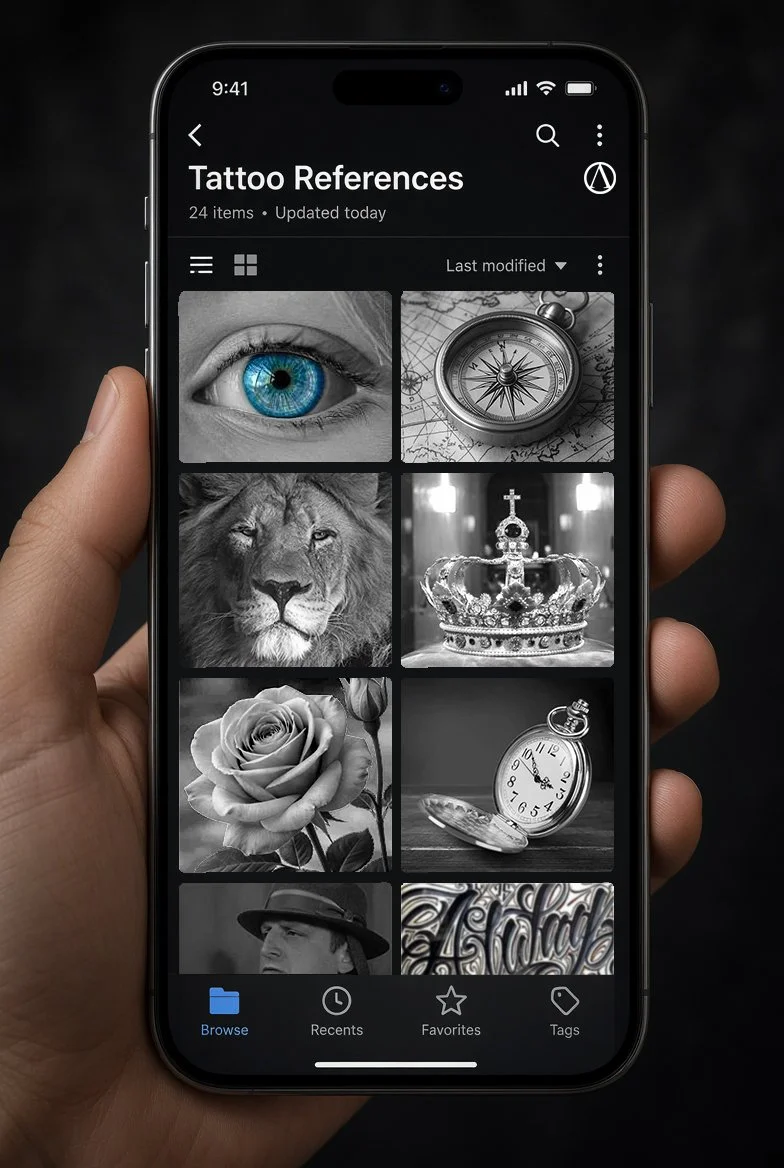
Create one dedicated folder on your phone or computer. Fill it with everything relevant—photos, style examples, placement ideas, color references, mood images. The more options you provide, the better. You can email it, AirDrop it, or share it via Dropbox/Google Drive.
Important distinction: no reputable artist will copy another artist’s finished tattoo. Using someone else’s completed work as a direct template is a red flag. Using images to communicate style, mood, composition, or subject is excellent.
For portraits, high-resolution images or physical originals are ideal. Include every clear photo you have, even older ones. Multiple angles and expressions give the artist a much better sense of the person. Good artists can often work with imperfect references, but more information always helps.
For larger pieces—especially sleeves and multi-element projects—plan ahead for flexibility. If you want three main elements, bring five. If you want five, bring ten. Not everything will fit perfectly in composition, scale, or flow. Sometimes an element doesn’t work as well as expected and needs to be swapped or adjusted. When that happens, we need to know you’re open to substitutions that still serve the overall vision. Having extra options ready makes the process smoother and usually leads to a stronger final piece.
4. Budget and Time Expectations
Pricing at a high-end custom studio typically falls in these ranges:
$200–$300 per hour
Half-day rates: $600–$800
Full-day rates: $1,000–$1,500
Many pieces that can be finished in one session (including most portraits in color or greywash) are quoted at a flat rate. Day rates often save the client money while giving the artist a more flexible workday.
Realistic time estimates:
Average black and grey portrait (6–8 inches): 3–6 hours
Full color portraits: usually a bit longer
Half sleeve: 2–3 full-day sessions
Full sleeve: 4–8 full-day sessions (heavily dependent on detail and subject matter)
For more detail, see our tattoo price guide: tattooafterlife.com/blog/tattoo-price-guide
A good rule of thumb is to budget for the quality you want and the time it actually takes, not the time you hope it takes. Underestimating hours is one of the most common sources of disappointment.
5. The Design Process
Designs are usually completed before your appointment. Revisions happen in person on the day of. This is the most efficient way to dial in exactly what you want. The artist works with you until both of you are confident the design is ready. Because the artist has blocked the entire day for you, there is time to fine-tune placement, scale, and details before the needle hits the skin.
6. Preparing for the Appointment
Show up rested and fed. A poor night’s sleep or an empty stomach makes the session harder for everyone.
Bring:
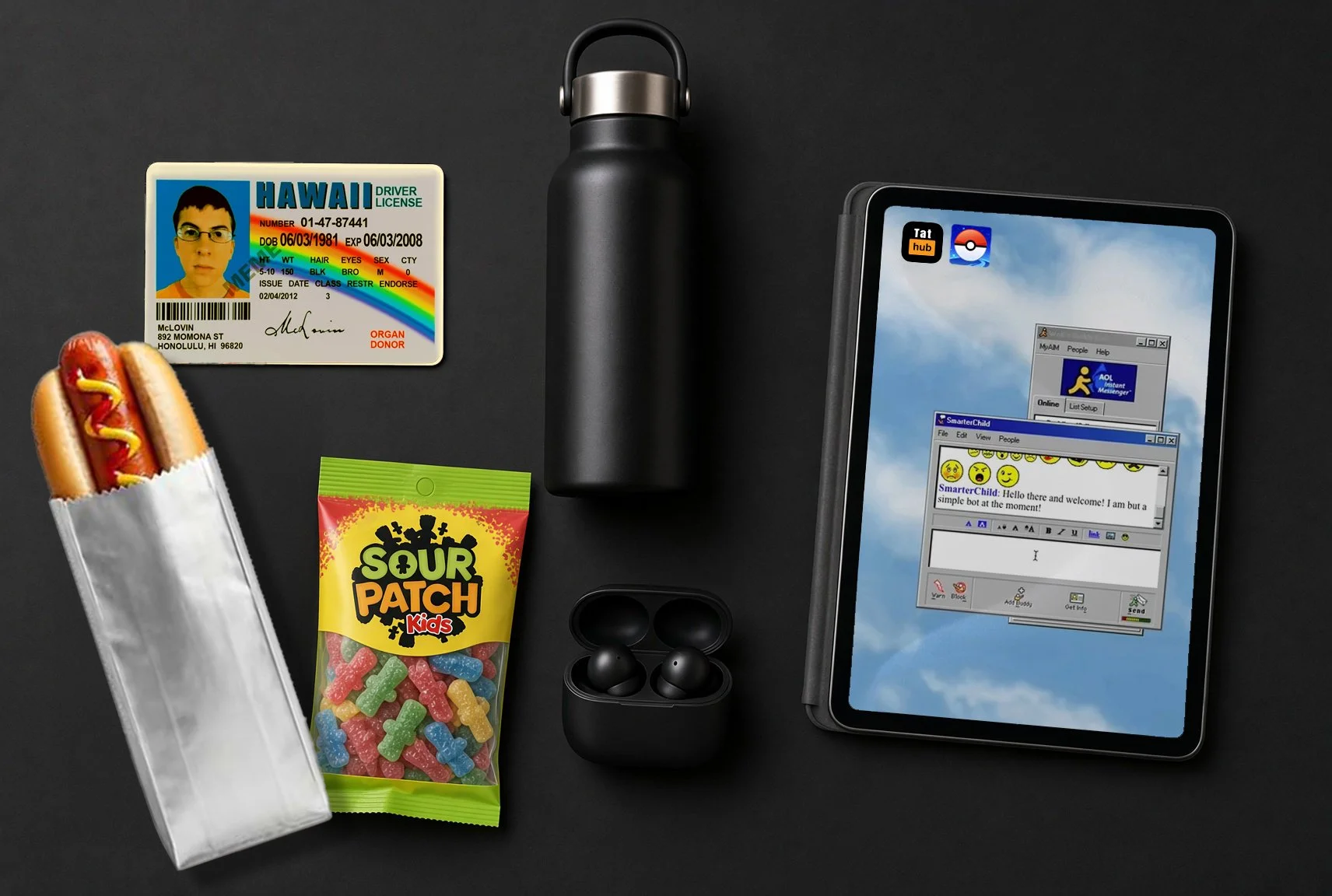
Valid photo ID
Snacks and something to drink
Headphones, a book, or a tablet if you want distraction
The studio will handle everything else (aftercare products, consent forms, etc.). Expect the day to run longer than the pure tattooing time. Breaks, stretching, eating, and design adjustments are normal and often necessary.
7. Realistic Expectations
Pain, session length, healing speed, and long-term care are discussed before the tattoo begins. Timelines can be adjusted if needed based on how you’re feeling or how the piece is progressing.
On “exact copies”: the best outcome is rarely a perfect recreation of a reference image (except for portraits, where likeness is the goal). A strong artist will guide the design in the direction that lets them do their best work. They have had these conversations hundreds of times and have seen the results. Good clients know what they want but remain open to professional recommendations. That collaboration almost always produces a stronger tattoo.
8. Red Flags and Green Flags
Red flag: Asking for a tattoo to be copied exactly from a an image of another tattoo.
Green flag: “I know what I want, but I’m open to your recommendations.”
Final Thought
A custom tattoo is a partnership. The more clearly you communicate your vision, the more prepared you are on the day, and the more you trust the artist’s experience, the better the final result. Do the work upfront, lock in the date with a deposit, bring good references (and extras), and show up ready to collaborate. That’s how you start a tattoo the right way.